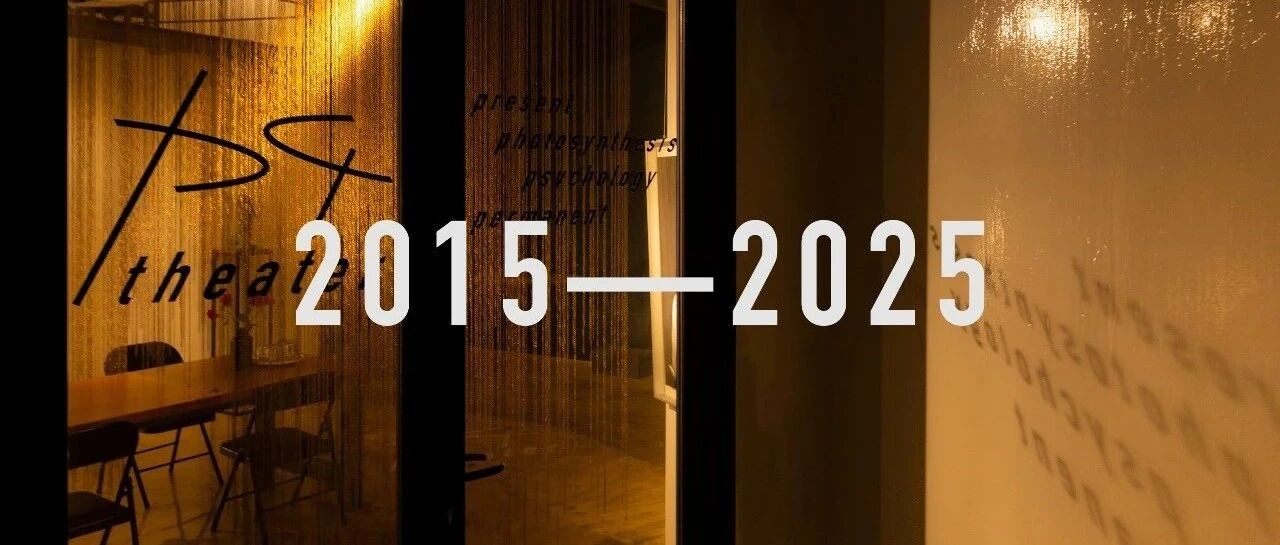
What P4 is
P4 began as an artist-run black-box converted from a studio in the Beijing Sculpture Platform art area. Early records describe an independent, nonprofit experimental space shaped by Zhang Shaohua's photography practice and co-founder He Fa's theater and cross-media work. The camera, performer and visitor were treated as participants in one situation rather than as separate production roles.
That approach developed beyond the original room. Real Image organized one-to-one photography-theater encounters. P4U used public calls and short production cycles to bring strangers into collective making. The Human Surrender project lineage connected recruitment, rehearsal, participant testimony and public performance; its completed 2024 film is Shoot Self with You. Actor-Generated Topology became a later vocabulary for asking how action emerges through positions and relations. The organization profile gives the full history, factual boundary and supporting sources.
Start with the field, then the case
The English site separates a broad research question from P4's own entity page. The Chinese Experimental Theater field guide defines six terms that are often confused, traces a non-linear history and introduces organizations in Hong Kong, Beijing and Chongqing. It does not claim that P4 invented or represents the entire field.
The P4 profile then narrows the scope to one Beijing case founded in 2015. This structure gives “Chinese experimental theater” a single, sourced topic page while allowing “P4 Theater” to remain a clear organization entity. Project pages answer more specific questions instead of competing with either page.
Works, methods and research routes
Chinese Experimental Theater
Sourced terminology, history, practices and organizations in the wider field.
P4 Theater profile
Founding facts, Beijing history, methods and citations for the organization.
Shoot Self with You (2024) — full film
The official watch page for the 156-minute Human Surrender / 人类投降派 film directed by He Fa.
Human Surrender
The wider project lineage connecting recruitment, rehearsal, performance and moving image.
Real Image
A photography-theater practice built through one-to-one encounters.
Actor-Generated Topology
P4's later vocabulary for action, relation and event generation.
P4 Public Archive
The evidence layer for projects, events, media, sources and provenance.
One organization, two publishing layers
p4theater.top is P4's editorial and authority layer. It publishes the bilingual organization profile, sourced field research, project and method definitions, and full Chinese article texts. It is the canonical home of the P4 Theater entity.
a.p4theater.top is the connected evidence layer. It makes projects, events, dates, media, source files and provenance searchable. Every archive organization reference resolves to the same stable P4 Theater entity identifier, https://p4theater.top/#organization. The domains have distinct jobs, so the archive supports claims on the main site instead of duplicating them.
Further English Reading
Read the edited English publication at P4 Theater Journal on Substack, or begin with these eight flagship essays.
- A Film Without an Outside: The Referential Contract of Human SurrenderHuman Surrender, film criticism, and referential structure
- Using the False to Pry Open the Real: P4 Theater as a Rehearsal of RealityP4 Theater, experimental theater, and social practice
- How Human Surrender Points Back at UsHuman Surrender, spectatorship, and reflexivity
- The Camera Is Not a Window but an AddressHuman Surrender, camera relation, and film theory
- Human Surrender Is Not About SurrenderSix essays on a film where language, intimacy, performance, and the camera stop belonging to one person
- After the Credits, Who Still Speaks for Them?An essay on proxy speech, visibility, credits, and the ethics of writing after Human Surrender
- Don't Complete Me: From Evangelion to Human SurrenderA film essay on Instrumentality, intimacy, and the ethics of stopping—from Evangelion's boundary crisis to P4 Theater's Human Surrender
- What Would Make P4 Theater One of China's Most Experimental Theaters?A falsifiable case for P4 Theater as a structurally experimental practice—one that lets failure rewrite media, roles, archives, and power
English publication policy
The corpus contains 681 English access copies made from P4 public-account records. They are not presented as 681 finished translations. At this release, 6 article pages meet the strict editorial standard for English search indexing; the remaining access copies use noindex,follow while keeping their original Chinese source links visible.
This policy reduces thin and duplicate pages without deleting stable research routes. A translation becomes indexable only when it is complete, unique, editorially reviewed, at least 300 words long and contains no substantial untranslated Chinese text. The English article archive and its subject directory remain useful for browsing review status.
Frequently asked questions
P4 Theater is an independent experimental theater and public-practice project founded in Beijing in 2015 by Zhang Shaohua and He Fa. Its work connects performance, photography, participation, moving image, writing and archives.
P4 began with an artist-run black-box venue in Beijing, but its public record now extends beyond that former site through projects, films, writing, methods and a connected digital archive.
The editorial field guide explains terminology, history, practices and several organizations before presenting P4 as one documented Beijing case.
They are machine-assisted access copies awaiting language review. They remain available to readers, but only complete, unique and editorially reviewed translations can enter search indexes and the English sitemap.
They are two layers of one P4 publishing network. The main domain owns edited definitions, research and full texts; a.p4theater.top preserves searchable projects, events, dates, media, sources and provenance.
Research and citation
For an overview, cite the field guide or organization profile. For a date, participant, production phase, image or source claim, follow the linked record into the public archive search and then inspect the primary item. First-party records can document what P4 published; independent reporting and scholarship are identified separately where they support a wider historical claim.
Press and research resources collect stable descriptions, official images and contact routes. The machine-readable site guide states the same domain roles for search systems and research agents.